After years as a high-frequency client of physiotherapy clinics, chiro offices, and wellness studios - and watching my partner test every practice management platform available for her Pilates studio - I built MyoMesh. A PHIPA-compliant, Canadian-built platform designed for how wellness practitioners actually work, priced for practices still growing.
My career never followed a straight line
I've spent years across operations, retail, logistics, customer service, consulting, IT, and AI. For a long time I thought those experiences were disconnected - a resume that looked scattered to anyone reading it in sequence.
Looking back now, every piece was building toward something. The operations background gave me systems thinking. The consulting years gave me the ability to walk into a business and quickly understand where friction lives. The IT and AI work gave me the tools to actually build. And every year working alongside real businesses gave me a ground-level understanding of what software needs to do to earn its place in someone's day.
But before I get to the software, there's something else about me that matters for this story.
What ultra marathon running taught me about wellness software
I'm an ultra marathoner. My focus is 100km races - events that demand a level of training, recovery, and body maintenance that most people would find unreasonable. To sustain that, I've been a client of physiotherapy clinics, chiropractic offices, massage therapy practices, and sports medicine facilities more times than I can count.

I also hold an ISSA certification as a running coach. Not to coach others - I got it to understand my own training deeply enough to coach myself through races that take all day. What that certification really gave me was a framework for thinking about the body as a system: movement patterns, recovery cycles, injury prevention, load management.
That framework made me a very observant client.
I've sat in waiting rooms and filled out intake forms - on paper, on tablets, through links that didn't work on my phone. I've experienced booking systems that required three steps to cancel a single appointment. I've gotten reminder emails the morning of a session at 7am for a 7:30am appointment. I've had to call a clinic to pay an invoice because their online system was broken. I've gone to studios that used one platform for booking, another for payments, and a third for waivers - and none of them talked to each other.
I knew the client-side friction existed. I just hadn't seen the other side yet - the practitioner trying to manage all of that chaos, often alone, between sessions.
The problem I watched up close
My partner runs a growing Pilates studio. Over the last few years we tested almost every software platform available to help manage and scale the business.
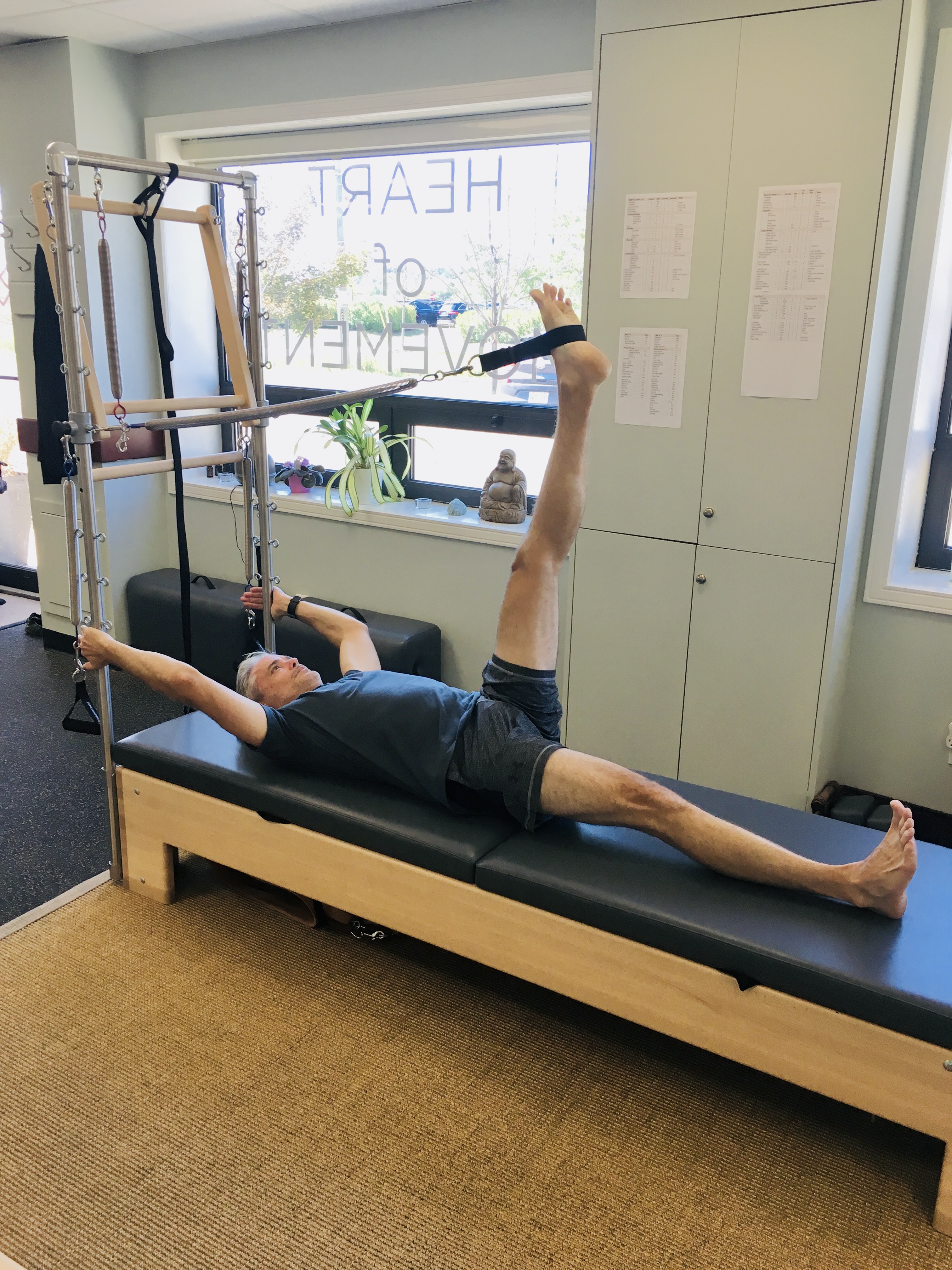
Some were designed for hospital systems - so overcomplicated that learning them felt like training for a different job entirely. Some were affordable but missing the features a real, multi-instructor studio actually needs. Some had the features but the pricing model made no sense for a small practice trying to grow. And most were built by teams without any understanding of Canadian privacy law, eClaims, or the regulatory environment that Canadian practitioners actually operate in.
The software that was supposed to reduce friction was creating more of it. Booking that didn't work on mobile. Intake forms that felt like a medical questionnaire for a government agency. Class scheduling that was clearly bolted on as an afterthought. Payment collection split across three tools. Clinical notes disconnected from everything else. And always, always, the same answer when we asked for something specific: "That's on our roadmap."
Late last year, I stopped waiting for the roadmap and started building.
What I actually built - and why
What started as a side project to solve my partner's specific problem quickly became something much bigger. Using everything I'd learned across operations, systems, AI, and years working alongside real businesses - and everything I'd learned as a client who'd been through these systems from the other side - I built MyoMesh.
A practice management platform designed specifically for Canadian wellness clinics and studios. The core platform covers everything a practice actually needs in one place:
- Scheduling - 1:1 appointments and group classes, with a public booking page that works on every device
- Payments - Stripe, e-transfer, cash, prepaid packages, invoices and receipts, all without switching tools
- Clinical documentation - SOAP notes, a 41-zone interactive body chart, full session history, and PDF export
- Digital intake & waivers - e-signature consent, health questionnaires, auto-sent before the first visit
- MyoMind AI clinical intelligence - SOAP generation, pre-visit client briefs, body chart trend analysis, and clinical red flag review
But the features aren't the point. The point is what happens when all of those things work together, in one place, without friction.
The practices that actually made a difference in my training and recovery over the years weren't the ones with the most sophisticated equipment. They were the ones where the practitioner walked in focused - not distracted by admin, not behind on notes, not chasing payments. Software should make that possible. For most Canadian practitioners right now, it doesn't.
MyoMesh is PHIPA-compliant and hosted in Canada. It's built for practices that are growing, not for enterprise healthcare systems. It was designed to feel simple without being limited. And it was built by someone who understood the operational problem from the inside - as a partner to a studio owner, and as a client who's spent years experiencing wellness practices from the chair, the table, and the waiting room.
Who this is for
If you're a physiotherapist, RMT, chiropractor, osteopath, Pilates or yoga studio, or any wellness practitioner running a solo or small-group practice in Canada - and you're managing your business on a combination of tools that were never really designed for you - this was built for you.
New accounts get 30 days on the full platform. No credit card required to start. A real setup call included with every account so you're live before your next session.
See what's included in MyoClinic and MyoStudio →

Currently training for a 100km race in Virginia · Summer 2026
Follow on Strava
Common questions
Yes. MyoMesh is built and hosted in Canada, designed specifically for Canadian privacy law, and PHIPA compliant. All client data remains in Canada. We can provide a Data Processing Agreement on request.
MyoClinic starts at $65 CAD per month for 1:1 practices. MyoStudio is $95 CAD per month and adds full group class scheduling. Additional practitioners can be added to either plan for $22 per month each. MyoMind AI clinical intelligence is a $22 per month add-on for any plan. See full pricing →
MyoMesh is built specifically for Canadian practitioners - not adapted from a US or international platform. It includes PHIPA-compliant data hosting, Canadian billing workflows, and MyoMind AI clinical intelligence, all at a price point designed for small and growing practices. It's not a feature list that grew too large - it's a focused set of tools that work together.
Yes. MyoStudio includes full group class scheduling, waitlists, class capacity limits, repeating class series, and a public class booking page - alongside the full clinical documentation, payments, and intake feature set. Learn more about MyoMesh for studios →
MyoMesh is designed for Canadian physiotherapists, RMTs, chiropractors, osteopaths, Pilates studios, yoga studios, and any wellness practitioner running a solo or small-group practice. It's especially well-suited for new graduates setting up their first practice and established practitioners ready to simplify their stack.
Ready to experience
the full platform?
Register for MyoClinic or MyoStudio - 30 days free, no credit card required.
Start your experience → See pricing